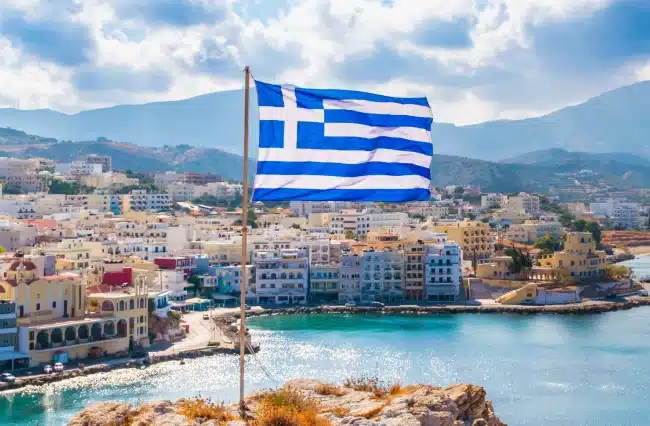
Starting a company in Greece is an attractive option for entrepreneurs and investors looking to access the European market while benefiting from relatively low costs, strong government incentives, and a strategic location. Although Greece has faced economic difficulties in the past, it has recently stabilized and positioned itself as a growing hub for international business.
This comprehensive guide explores everything you need to know about starting a company in Greece, from choosing the right business structure and understanding taxation to navigating labor laws, incentives, and market opportunities.
Why Choose Greece for Company Formation?
Despite its well-documented financial challenges in the last decade, Greece today is one of the most promising destinations in Southern Europe for company formation. The country combines EU membership benefits with a supportive investment environment.
Key reasons to consider Greece for business formation include:
-
Economic Stability: Supported by the European Commission and international reforms.
-
Tax Efficiency: Corporate tax rate of 22%, lower than many EU counterparts.
-
Skilled Workforce: Highly educated, English-speaking, and cost-effective labor.
-
Strategic Location: At the crossroads of Europe, Asia, and Africa.
-
Government Incentives: Subsidies, tax allowances, and investment grants.
-
Tourism Sector Strength: Over 30 million visitors annually fuel demand for services and products.
Table 1: Greece at a Glance (2024)
| Indicator | Value | Notes |
|---|---|---|
| GDP (Nominal) | €220 billion | Growing steadily |
| GDP per Capita | $22,000 | Above the Eastern European average |
| Unemployment Rate | 11.2% | Declining year-on-year |
| Corporate Tax Rate | 22% | Below the EU average |
| Currency | Euro (€) | Full Eurozone member |
| EU Membership | Yes | Access to the Single Market |
Advantages of Starting a Company in Greece
Competitive Tax Rates
Greece has gradually lowered its corporate tax rates, making it more attractive to foreign investors.
-
Corporate tax rate: 22%
-
VAT: 24% standard, with reduced rates of 13% and 6%
-
Dividend withholding tax: 5%
-
Extensive double taxation treaties with more than 60 countries
Affordable Skilled Workforce
Greece offers a combination of affordable wages and high educational standards. Many Greek graduates hold degrees in engineering, finance, and IT, making them ideal candidates for international companies.
Strategic Location and Trade Advantages
The Port of Piraeus is the largest port in the Mediterranean and one of Europe’s busiest, giving Greece an important role in trade routes connecting Europe, Asia, and Africa.
Investment Incentives
The Greek government supports investors through Development Law 4399/2016, which provides:
-
Grants covering up to 55% of eligible investment costs
-
Tax allowances for specific industries and regions
-
Incentives for renewable energy, tourism, and logistics projects
Tourism and Consumer Market
Tourism accounts for nearly 20% of Greece’s GDP. With millions of international visitors each year, businesses in hospitality, retail, and entertainment enjoy immediate opportunities.
Business Structures in Greece
Selecting the appropriate business structure is one of the most important decisions when starting a company in Greece.
Table 2: Common Business Structures in Greece
| Structure Type | Greek Term | Liability | Minimum Capital | Suitable For |
|---|---|---|---|---|
| Sole Proprietorship | Ατομική Επιχείρηση | Unlimited | None | Freelancers, self-employed |
| General Partnership (GP) | Ομόρρυθμη Εταιρεία (OE) | Unlimited | None | Small family businesses |
| Limited Partnership (LP) | Ετερόρρυθμη Εταιρεία (EE) | Mixed liability | None | Medium partnerships |
| Private Company | Ιδιωτική Κεφαλαιουχική Εταιρεία (IKE) | Limited | €1 | Startups, SMEs |
| Limited Liability Company | Εταιρεία Περιορισμένης Ευθύνης (EPE) | Limited | €4,500 | Established SMEs |
| Public Limited Company | Ανώνυμη Εταιρεία (AE) | Limited | €25,000 | Large corporations |
| Branch Office | Υποκατάστημα | Parent company liable | Variable | International expansions |
For international businesses considering Greece, the most popular structures are the Private Company (IKE), Limited Liability Company (EPE), or Public Limited Company (AE). Foreign companies may also establish a branch office or a subsidiary.
For detailed guidance, visit: Company Formation in Greece.
Step-by-Step Process for Incorporating a Company in Greece
Incorporating a business in Greece has been simplified through digital reforms.
Table 3: Incorporation Steps and Timelines
| Step | Action | Timeline |
|---|---|---|
| 1 | Choose business structure and reserve name | 1–2 days |
| 2 | Draft Articles of Association | 3–5 days |
| 3 | Deposit minimum share capital into bank | 1–2 days |
| 4 | Register with GEMI (General Commercial Registry) | 5–7 days |
| 5 | Register for tax (AFM) and VAT | 2–3 days |
| 6 | Register employees with EFKA (Social Insurance) | 1–3 days |
| 7 | Obtain industry-specific licenses (if required) | Variable |
Average incorporation time: 2–3 weeks.
For faster entry, foreign investors may also consider purchasing a ready-made company.
Taxation in Greece
Table 4: Key Tax Obligations for Businesses in Greece
| Tax Type | Rate | Notes |
|---|---|---|
| Corporate Income Tax | 22% | Flat rate for resident companies |
| VAT | 24% (standard) | Reduced rates 13% and 6% for specific goods |
| Dividend Withholding Tax | 5% | May be reduced under double tax treaties |
| Employer Social Security | 22.5% | Covers pensions, unemployment, health |
| Employee Social Security | 14% | Deducted directly from salaries |
Compared with countries such as Germany (29.9%) or Italy (24%), Greece offers a competitive corporate tax environment.
Employment Regulations in Greece
When starting a company in Greece, understanding labor laws is essential.
-
Working Hours: Standard working week is 40 hours.
-
Minimum Wage: Set at €780 per month (2023).
-
Leave: 20 days paid leave annually (increasing with tenure).
-
Social Security: All employees must be registered with EFKA (Unified Social Security Fund).
The labor market benefits employers with relatively low wages compared to Western Europe, while maintaining a skilled and educated workforce.
Sectors with High Potential in Greece
Investors starting a company in Greece should focus on industries with high growth and government support.
-
Tourism and Hospitality – Hotels, resorts, eco-tourism.
-
Renewable Energy – Solar and wind projects supported by EU’s Green Deal.
-
Agriculture and Food Processing – Olive oil, wine, organic products.
-
Shipping and Logistics – Leveraging Greece’s strong maritime tradition.
-
Technology and Startups – Fintech, e-commerce, and SaaS industries supported by local incubators.
Comparison: Greece vs. Other European Countries
Table 5: Business Comparison in Europe
| Country | Corporate Tax | Incorporation Time | Labor Cost (Annual Avg.) | Ease of Doing Business Rank (World Bank) |
|---|---|---|---|---|
| Greece | 22% | 2–3 weeks | €24,000 | 79th |
| Germany | 29.9% | 3–4 weeks | €43,500 | 22nd |
| Italy | 24% | 2–3 weeks | €35,000 | 58th |
| Ireland | 12.5% | 1 week | €39,000 | 24th |
While Greece may rank lower in terms of bureaucracy, its lower tax rates, affordable workforce, and attractive incentives balance the equation for many investors.
Potential Challenges of Starting a Business in Greece
-
Bureaucracy: Though improved, processes may still involve delays.
-
Language: Legal documents are issued in Greek; local representation is advisable.
-
Sector-Specific Licensing: Industries such as finance, healthcare, and recruitment require special permits.
-
Market Saturation: Tourism-related businesses face significant competition in certain regions.
Working with experienced advisors like OpenAEuropeanCompany ensures smooth navigation of these challenges.
Final Thoughts
Starting a company in Greece offers entrepreneurs and investors a unique blend of opportunities: access to EU markets, competitive tax rates, government incentives, and a highly skilled yet cost-effective workforce. While challenges such as bureaucracy and sector-specific regulations exist, they can be mitigated with the right local expertise.
Greece is particularly appealing for businesses in tourism, renewable energy, logistics, and agribusiness. As the country continues to modernize and attract foreign direct investment, establishing your company now places you in a strong position to benefit from future growth.
Our specialists can guide you through every step of incorporation and compliance, ensuring your business is established smoothly and positioned for long-term success.